The hofje today

Maintenance and energy
More than forty years after that last restoration (see Through the centuries), we think differently about looking after historic buildings. Instead of letting the fabric decline until a major renovation becomes unavoidable, the hofje now invests continuously: separate gas, water and electricity connections for each house, better kitchens and bathrooms, and a boiler of its own in every house.
To save energy, and in consultation with the Cultural Heritage Agency of the Netherlands, the roof boarding and attic floors have recently been insulated and insulating glass has been fitted. In future, houses may be combined to create more living space.
Living in the hofje
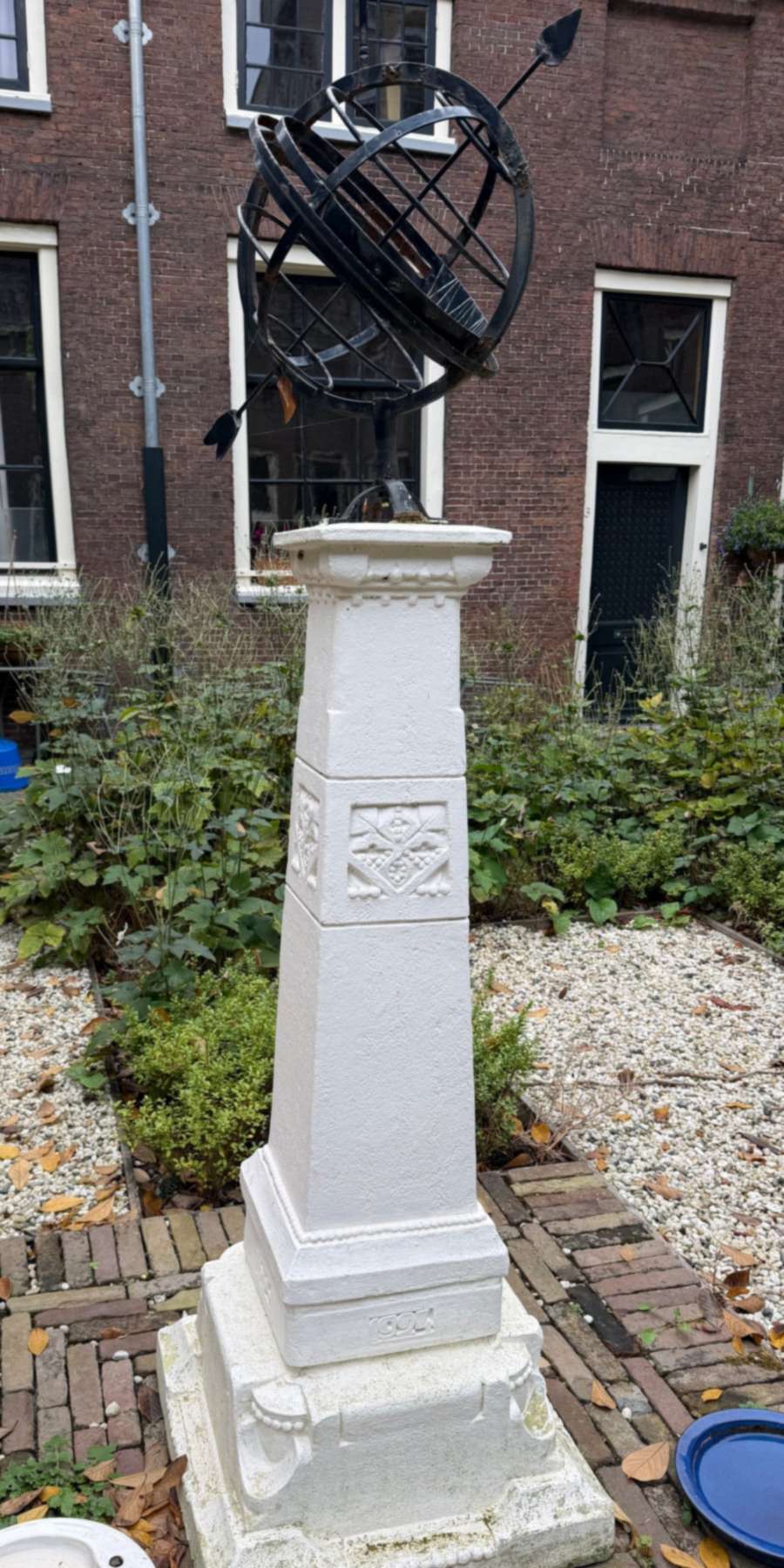
Because the houses are small, most residents live alone. There is a waiting list, with interest mainly from younger people — although older people are given priority, in the tradition of the founders.
That interest shows that Leiden’s hofjes have kept their role as social housing. They are gems from the city’s past and valuable places for the future: a warm home for the people who live in them. The hofje is managed to preserve its heritage, its purpose and its traditions at the same time.
The hofje is a place where people live. Visitors are welcome to look quietly at the gateway and the garden; please read Visiting the hofje first.