Residents of the past
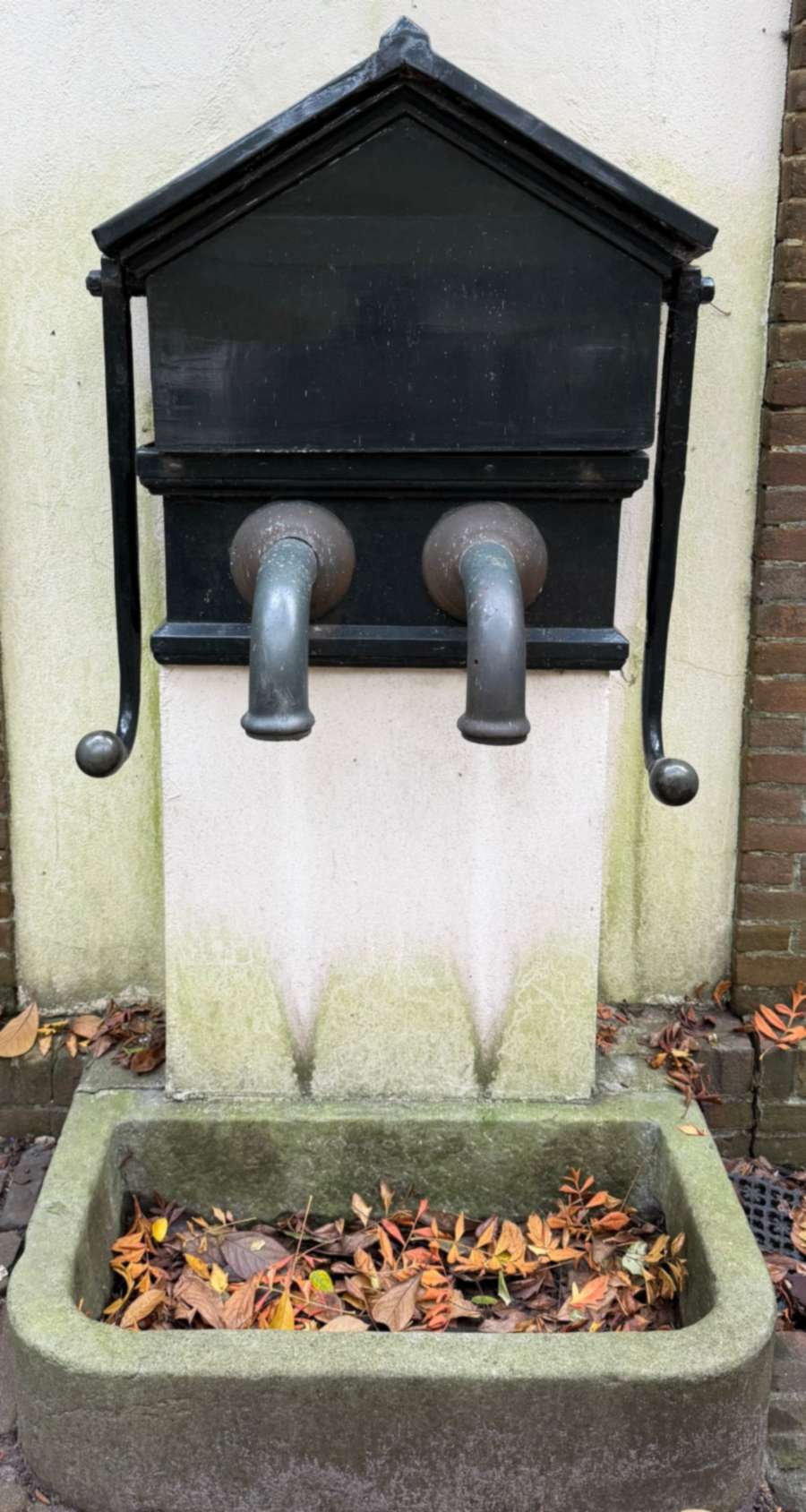
Building work on the hofje began in 1683; in 1687 a pump was installed in the courtyard. Once the houses were finished, the first residents moved in, all of them of Walloon descent.
Living in the hofje
The houses were meant to give older members of the Walloon community a secure old age. Residents had to be over forty and married. Living there was free; residents also received preuven, allowances in kind — cheese, butter, peat for the fire and a sum of money. In return they were expected to behave decently and gratefully, and to pray for the souls of the founders.
In the eighteenth century residents could buy themselves in for a one-off sum of seventy-five guilders, payable in instalments if they wished. The regents governed with a firm hand and bound residents to detailed house rules: cleanliness, peace and order were held in high regard. A porter saw that the rules were kept, locked the gate at night and lit the lanterns, to keep beggars and thieves out of the courtyard.
Not every hofje was newly built — sometimes existing houses around a gateway were bought, as with the Jean Michielshof on the Pieterskerkstraat. Hofjes were, alongside hospitals (in the old sense of the word), beguinages, houses for paying boarders and Holy Ghost houses, one of the earliest forms of social housing: a private contribution to the city’s social safety net.
They are found not only in the Netherlands but also in England, Belgium, Germany and Scandinavia. What it is like to live in the Jean Pesynhof now is described in The hofje today.
From poor relief to housing
With the Poor Law of 1854 the municipality gained supervision over the finances of poor-relief institutions that were funded from the municipal purse. In this way the government’s influence grew over poor relief, which until then had mainly been the business of the churches.
In 1908 many of the houses stood empty. Under Maria de Lannoy’s will only members of the Walloon congregation were entitled to a house, and hardly any applied any more. The rules were then changed so that others could live there too, although they received no preuven. In 1975 the preuven were paid out for the last time to the last Walloon residents, and free housing came to an end as well.